
Almost every safari today calls itself sustainable. Far fewer can tell you, honestly, what their guests' money protects, or introduce you to the people doing the protecting.
The phrase "conservation safari" has become so common it has nearly stopped meaning anything. It is printed on brochures beside infinity pools and sundowner cocktails, a soft reassurance that your holiday is doing some good somewhere. For discerning travelers, that vagueness should raise a flag. The right question goes past whether a journey is conservation-minded to what, specifically, it conserves, and how you would know.
A genuinely conservation-led journey is built the other way around. It begins with a place and the people fighting to keep it wild, and designs the travel in service of that work. The luxury is real. The camps are extraordinary and the guiding is world-class, yet all of it follows from the purpose and never stands in for it.
The money has to land somewhere you can see
The first test is financial honesty. On too many trips, "giving back" means an unspecified slice of an unspecified margin flowing to an unnamed cause. On a conservation-led journey, a defined share of every booking supports named partners (ranger units, conservancies, education programs) with outcomes you can point to: acres under protection, animals monitored, children in school. It is the difference between a gesture and a mechanism.
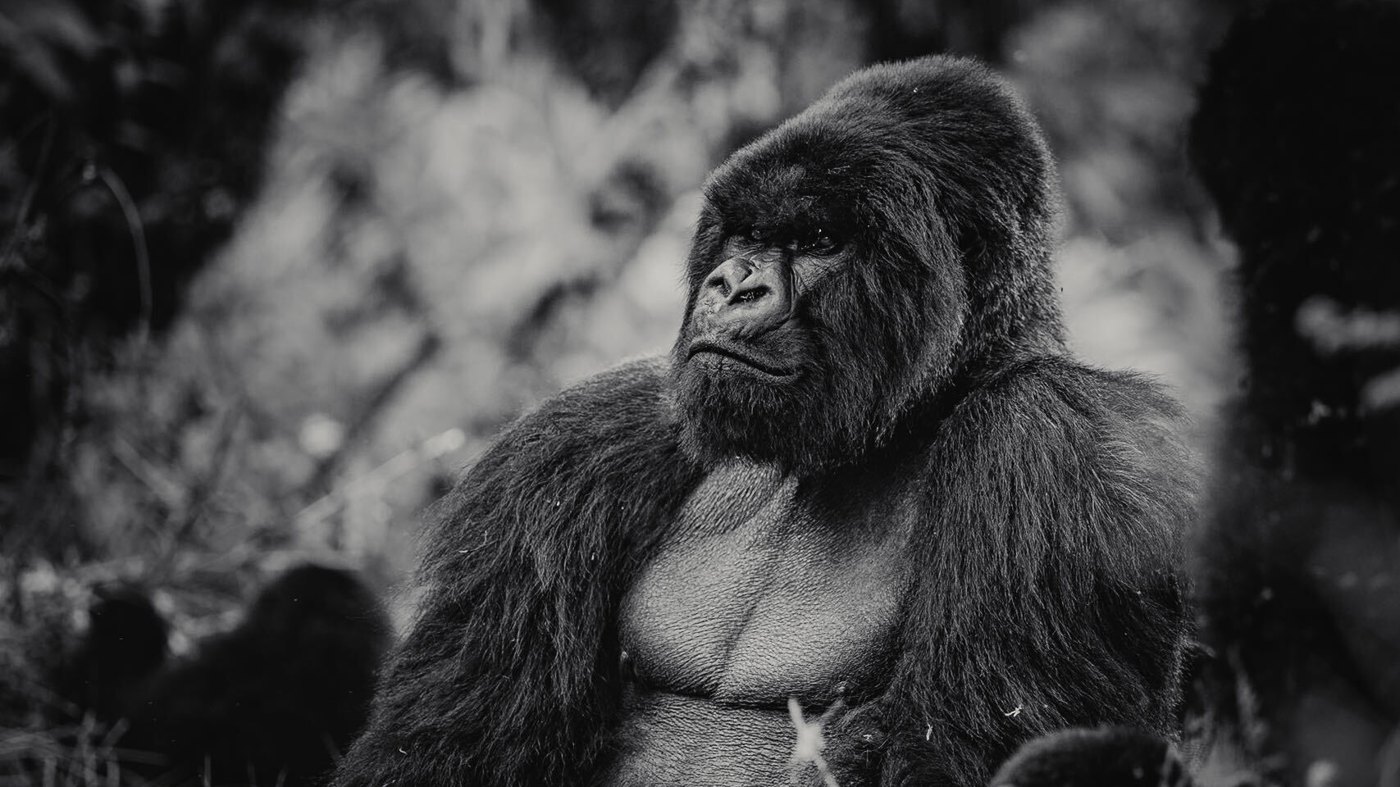
You do not simply visit the wild. You walk beside the people who have spent their lives protecting its most endangered lives.
Access is the true luxury
The affluent traveler can already buy comfort anywhere. What cannot be bought on the open market is proximity: a morning with the rangers who track a black rhino on foot, a conversation with a conservationist who has given decades to a single species, time in places closed to ordinary tourism. Conservation-led travel earns that access by working as a partner to the people on the ground rather than as a customer passing through. That is also, not coincidentally, what makes the journey unforgettable.
The people are the point
Wildlife draws us in, but it is people who change us. The guide who grew up beside the herd, the ranger who has lost friends to poachers, the caretaker who sat with the last of a species as it died: these are the storytellers whose presence turns a safari into something closer to a pilgrimage. A conservation-led journey is designed around them, because their perspective is the thing you cannot get from a documentary or a five-star lodge alone.
How to tell the real thing from the label
Before you book any "conservation" safari, ask three plain questions. Where exactly does my money go, and what does it achieve? Who will I actually spend time with on the ground? What access does this trip open that I couldn't arrange myself? If the answers are specific, you have found the real thing. If they are soft, you have found marketing.
Travel, done this way, stops being something you simply consume. It becomes a small, deliberate act of protection, a legacy left in the places that need it most. That is the only kind of safari we are interested in building.