
A million animals moving across the plains is a spectacle anyone can witness. Making a photograph worth keeping is a different discipline entirely, one of patience, position, and knowing what you are actually there to say.
The Great Migration is the largest overland movement of animals on Earth: some two million wildebeest, zebra, and gazelle following the rains in a vast, ragged loop across the Serengeti-Mara ecosystem. It is justly famous, which means it is also crowded, unpredictable, and easy to photograph badly. The difference between a snapshot and an image you will hang on a wall comes down to a handful of decisions made long before the shutter.
Timing is everything, and it isn't a date
The single most common mistake is treating the migration as an event with a fixed calendar. It behaves less like a parade than a slow, weather-driven wandering. Broadly: the herds move through the southern Serengeti's calving grounds from roughly January to March, push north through the central and western corridors in the middle of the year, and reach the Mara River crossings, the scene everyone pictures, from around July into October. But the rains decide, not the brochure. Chasing the migration well means being in the right region for the season and staying mobile, rather than booking a single camp and hoping.
The photograph is made in the mind before it is made in the camera. Decide what you came to say.
Light before subject
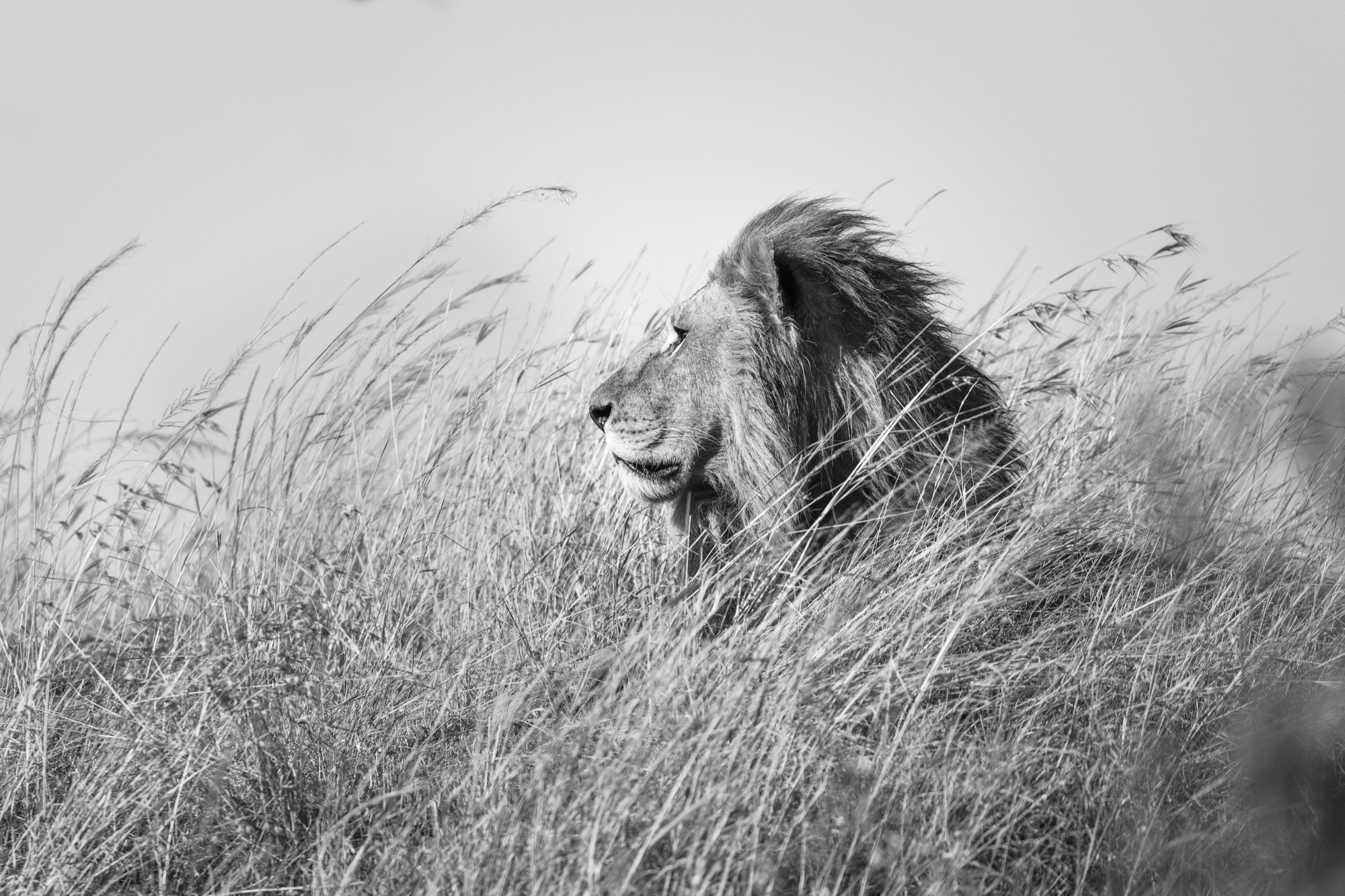
Amateurs chase animals; photographers chase light. The hour after dawn and the hour before dusk do more for an image than any amount of proximity to the herd. Position the vehicle so the low sun rakes across dust and backlit horns, or wait for the overcast, silver light that flatters a black-and-white frame. A distant herd in extraordinary light will always beat a close one in the flat glare of midday.
Shoot the story, not the census
Two million animals is a number, not a photograph. The images that endure isolate a moment of meaning inside the chaos: a single wildebeest hesitating at the water's edge, the geometry of a herd against an empty sky, the stillness of a predator watching. Work the edges of the spectacle. Look for gesture, tension, and negative space. A frame that says something about courage or fear will outlive a hundred that merely record the crowd.
The gear conversation, briefly
Yes, bring a long lens (a 100–400mm or a 500mm covers most of it) and a fast body that holds focus on movement. But the equipment is the least interesting part. A private vehicle you can reposition freely, a guide who can read the herd's next move, and the patience to wait for the moment matter far more than another stop of aperture. The best wildlife images are a collaboration between a photographer and someone who knows the ground intimately.
Come home with more than files
Our founder-guided expeditions are built for exactly this: small groups, private vehicles, dawn-to-dusk flexibility, and time with guides who know where the light and the herds will meet. You will leave with a small body of work rather than a memory card of the same frame everyone else took, and with the story of how each image came to be.