
The wildlife you travel across the world to see is watched over, every night, by people whose names rarely reach the guest tent. The safari belongs to them long before it belongs to you.
Behind every unbroken horizon and every animal still standing is a ranger who walked it in the dark. They are the least visible part of a safari and, once you have met them, the part you carry longest. On a conservation-led journey, meeting them is the axis the whole trip turns on, arranged with as much care as any sighting.
Who the guardians actually are
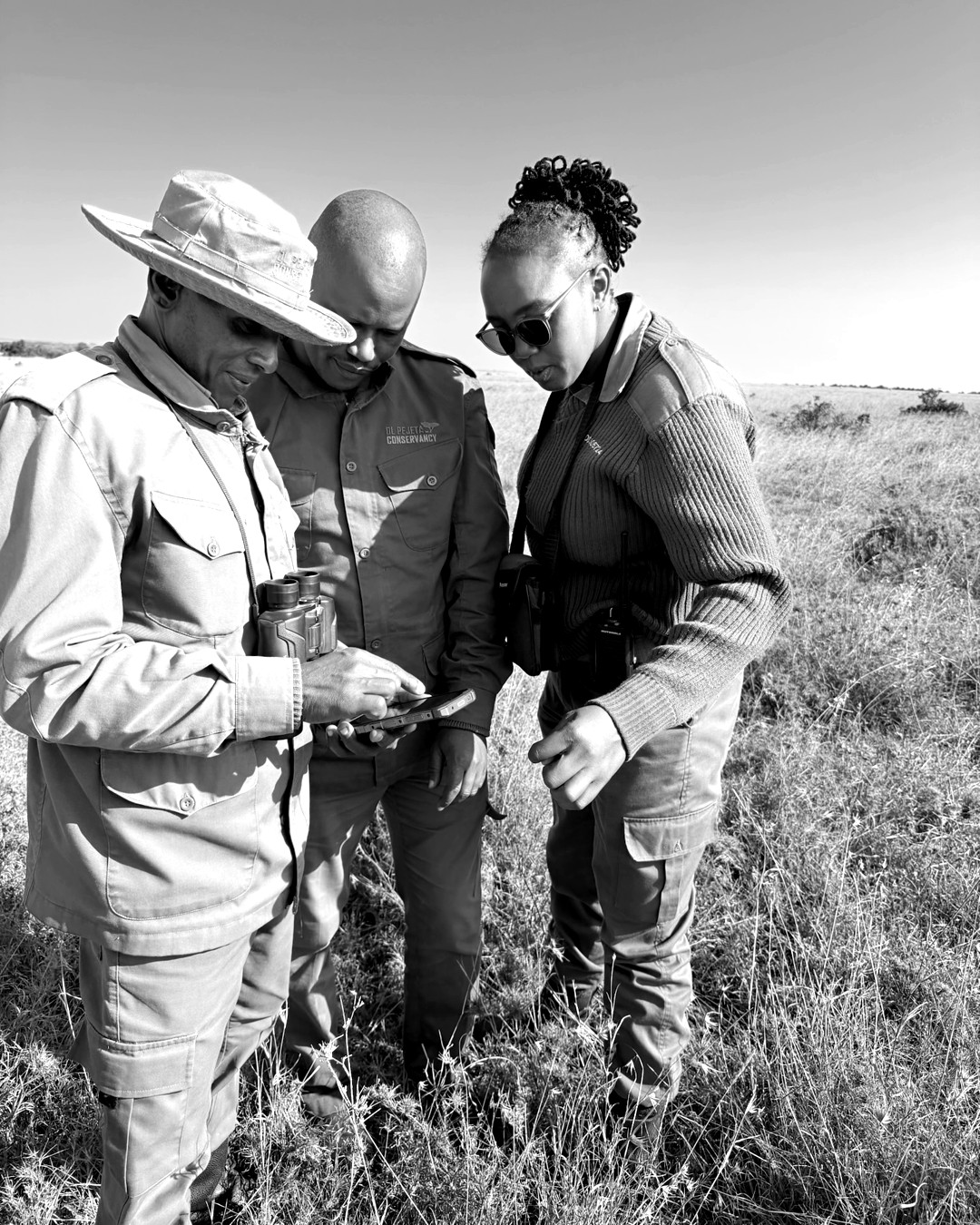
They are seldom the people a brochure pictures. Most grew up in the communities that border the parks, and many took the work because they had watched the wild around them thin out within their own lifetime. A ranger may spend twenty days a month away from home, on foot, in country where the animals can kill you and, too often, so can the poachers. They read sign the rest of us walk straight past, lift snares by the hundred, and sit out nights of rain so that a rhino wakes in the morning. The pay is modest. The commitment is total.
You do not protect what you have not learned to love. The guardians have spent their lives doing both.
Why we build journeys around them
It would be easier to keep guests and rangers apart, to let the wild feel effortless. We do the opposite. When you share a fire with the man who tracks a particular elephant, hear how he reads her moods, learn the name of the friend he lost to an ambush, the animal in front of you stops being scenery. It becomes something held in place by human hands, at real cost. That knowledge changes how you watch while you are there, and it tends to change what you do once you are home.
What your visit gives back
Access of this kind is never a transaction at a gate. It rests on relationships our team has kept for years, and it carries an obligation. A defined share of every journey supports the units doing the work: salaries, boots, radios, the veterinary call-outs, the school fees for a ranger's children. Guests who spend a morning with a patrol tend to become its quietest, most durable supporters, sending word and funds back long after the vehicles have been washed down and the trip has ended.
You will remember the animals. Almost everyone does. But the face that surfaces first, months later, is usually a human one: the guide who knelt to show you a footprint, the ranger who spoke plainly about what he stands to lose. Meet the guardians, and the wild stops being a destination. It becomes a responsibility you are glad to carry.