
A national park protects the land. A conservancy protects the land and the people who live on it, and that difference is quietly reshaping where the best safaris happen.
Most travelers picture a safari as a national park: a gazetted wilderness, government run, open to anyone with an entry ticket. Parks matter, and some are extraordinary. But the model changing African conservation fastest is the community conservancy, and once you see how one works, you will want your journey built around it.
What a conservancy actually is
A conservancy is a large area of wild country owned or leased from the communities who live beside it. Rather than move people off the land to make room for animals, it makes the wildlife worth more alive than gone. The community leases grazing and wilderness to a conservation trust, a small number of low-impact camps operate there, and the income returns to the families who own the ground. In Kenya, conservancies now safeguard more wild land than the national parks do, much of it the corridors animals rely on to move between those parks.
How the money holds it together
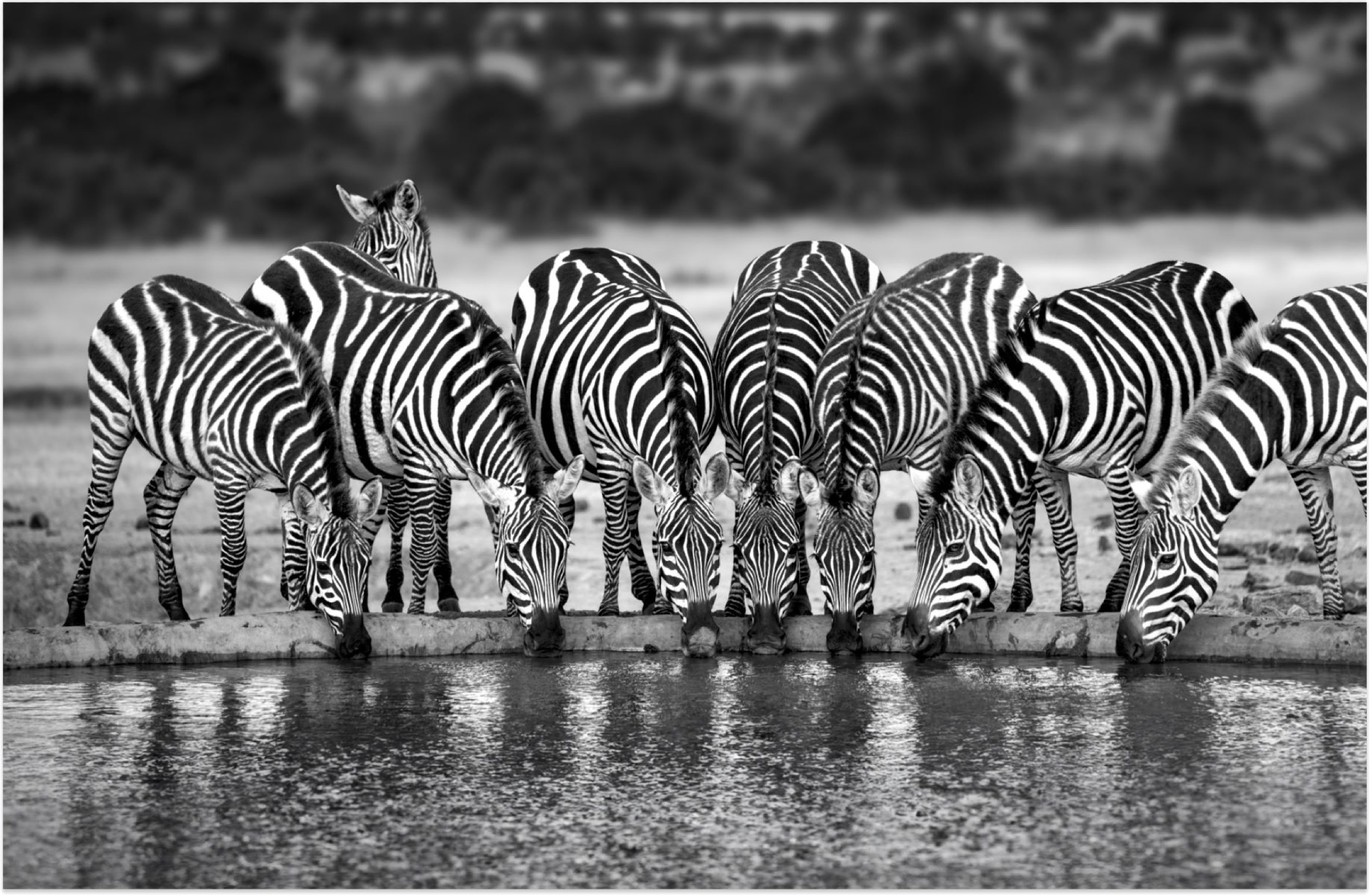
The logic is plain. A wild acre has to pay for itself, or it becomes farmland. Tourism is what pays. A set share of every night you stay funds ranger salaries, community schools and clinics, and the lease payments that make protection the community's most valuable asset. When a lion is worth more to a village as a living draw for guests than as a threat to livestock, the village keeps the lion. Ol Pejeta, where these zebras graze, runs on exactly this model, and it has grown into one of the great conservation stories in East Africa.
A conservancy turns your holiday into the thing that funds the wild. That is the whole idea behind the way we travel.
Why it changes your trip
For you, the traveler, this is concrete. It is the reason your morning feels different. Guest numbers are capped, so you will not meet a queue of vehicles at a sighting. Night drives and walking safaris, off-limits across most parks, are possible here. You can spend an hour with the rangers who track a rhino on foot and hear why the work matters from the person who does it. The access is genuine, and it is earned by the simple fact that your visit helps keep the place wild.
The part that stays with you
There is a quiet satisfaction in knowing exactly where your money went: a named conservancy, a named ranger team, a school you could walk into. That is what a conservation-led journey is built to give you. A trip that leaves the place stronger than it found it, and the knowledge that you were part of the reason it is still there.