
The best wildlife photograph is not the closest one. It is the one that cost the animal nothing.
Every serious wildlife photographer reaches the same crossroads. You can get the shot by pushing closer, staying longer, and letting the animal carry the cost of your ambition. Or you can decide that the picture is never worth more than the creature in it. How a photographer answers that question shapes everything about the images they make, and the kind of traveler they turn out to be.
Distance is respect
A long lens exists so you do not have to crowd your subject. The rule we travel by is simple: if the animal changes its behavior because of you, you are too close. A cheetah that stops hunting, a bird that abandons a nest, an elephant that turns to face the vehicles, these are not opportunities. They are the sign that the moment has already gone. The finest images come from animals behaving as if you were not there, and that only happens when you keep a respectful distance and let the scene come to you.
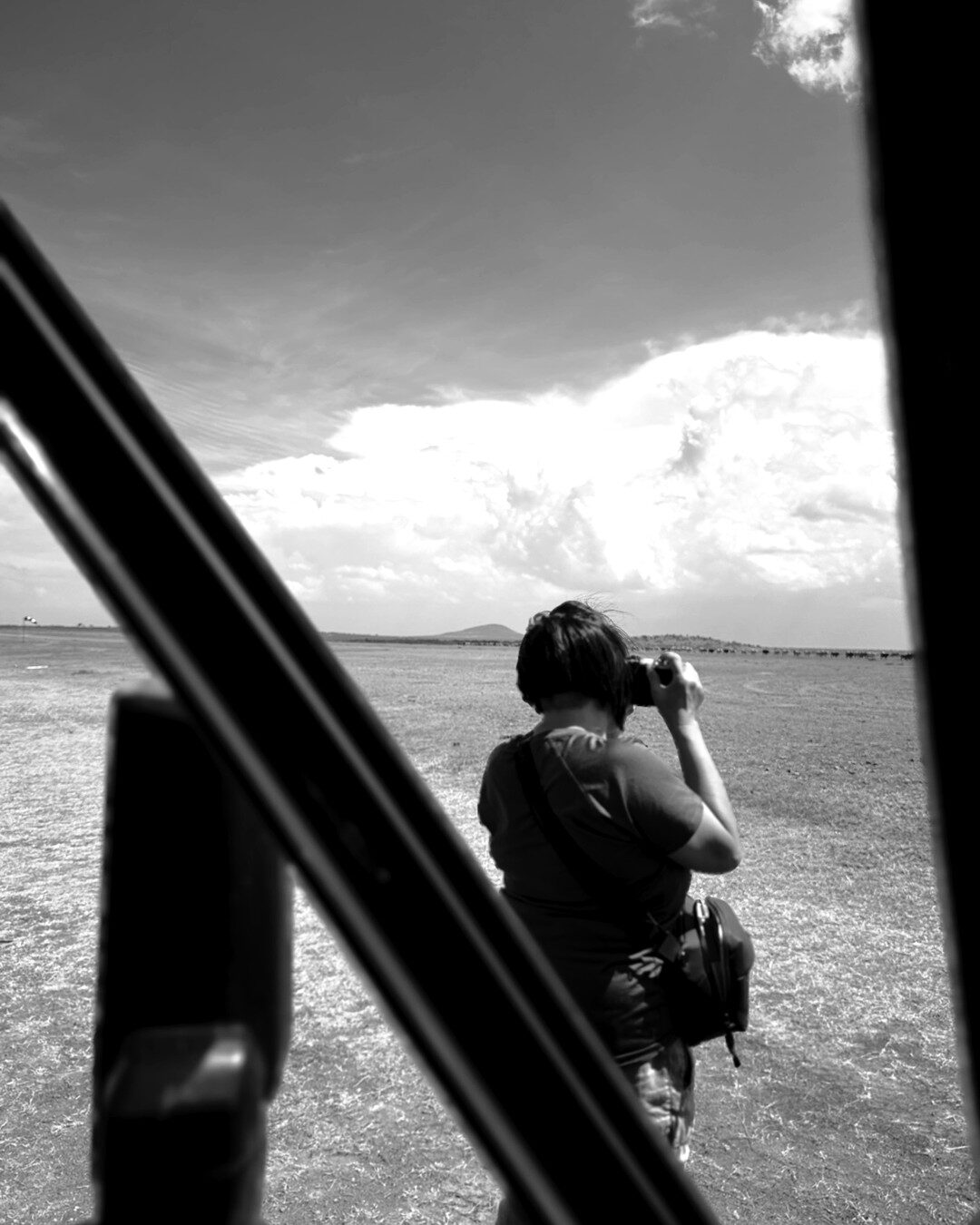
Patience over pursuit
The temptation is always to chase: to reposition again and again, to follow a predator that is trying to move away. Restraint is the harder discipline and the more rewarding one. Sit with a sighting, read it, and wait for the animal to give you the frame on its own terms. The photograph earned that way tends to be the better one anyway, because it holds a moment the animal chose to offer.
If the animal changes what it is doing because of you, put the camera down. The shot is not worth the cost.
The quiet cost of the perfect shot
Some of the most admired wildlife images ever published were made in ways their captions never mention. Bait laid to draw a predator into the light. A den watched so closely the mother moved her cubs. A flock flushed into flight because a still bird makes a duller picture. The frame looks clean, and the cost is carried entirely by the animal, out of view. Knowing this changes how you read images, and how you make them. A picture is only as honest as the field craft behind it.
The guide is part of the ethic
Field ethics extend past the person holding the camera. They live in the guide who refuses to drive off-road onto a fragile riverbank, who keeps the engine off, who knows the line between a close encounter and a harmful one. They live in the decision to leave a sighting when the vehicles crowd in, rather than add one more. Traveling with people who hold that line is how you come home with extraordinary images and a clear conscience at once. It is also, quietly, how the wild stays wild for the next person who comes to see it.
Why it matters beyond the frame
A photograph can move people to protect what it shows. That power comes with an obligation to earn the image honestly. The wildlife you photograph did not consent to the exchange, so the photographer carries the whole of the responsibility. Get that right and the picture becomes something better than a trophy. It becomes a record of respect, and a small argument for keeping the animal in it alive.