A Signature Edition
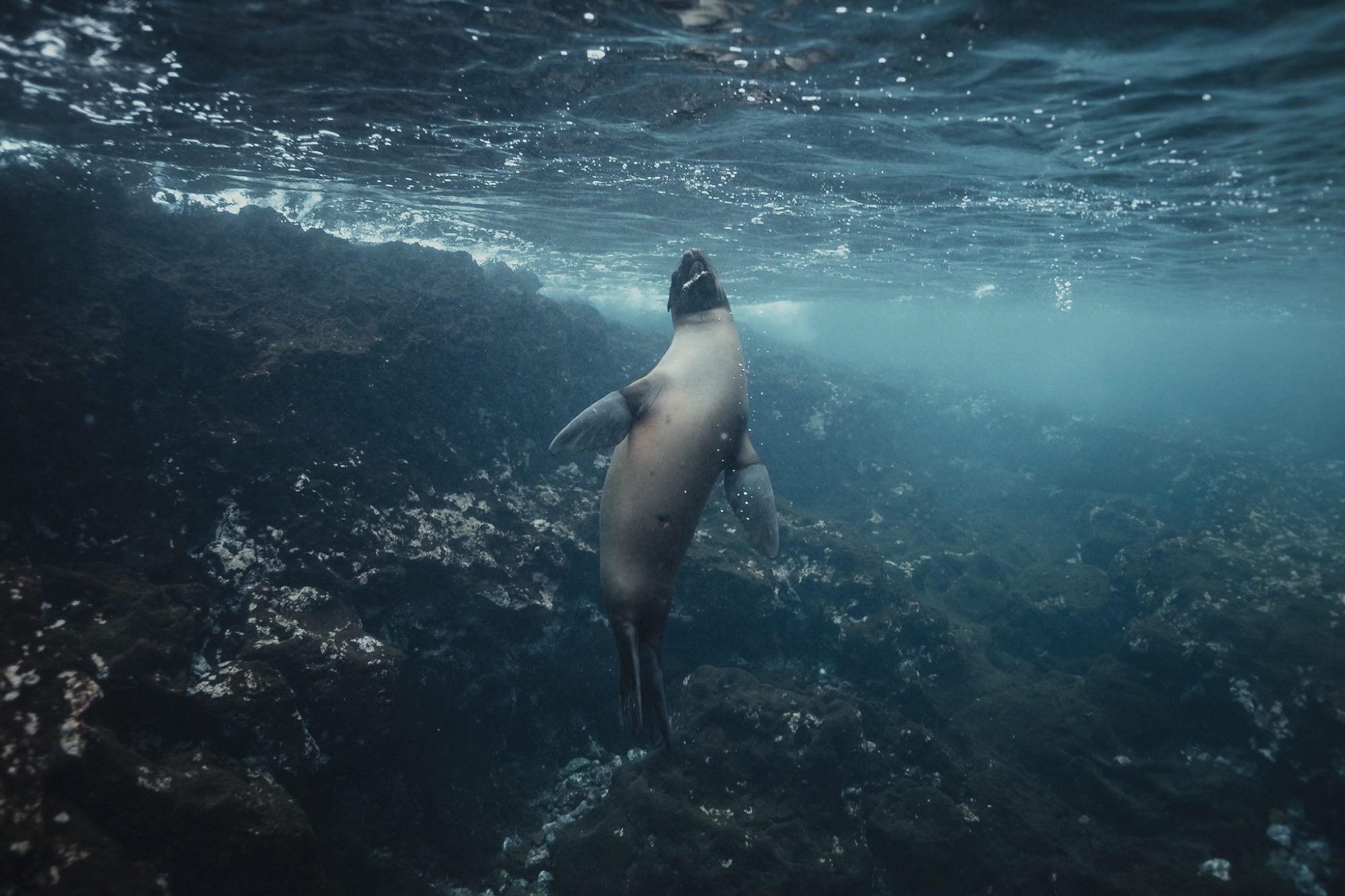
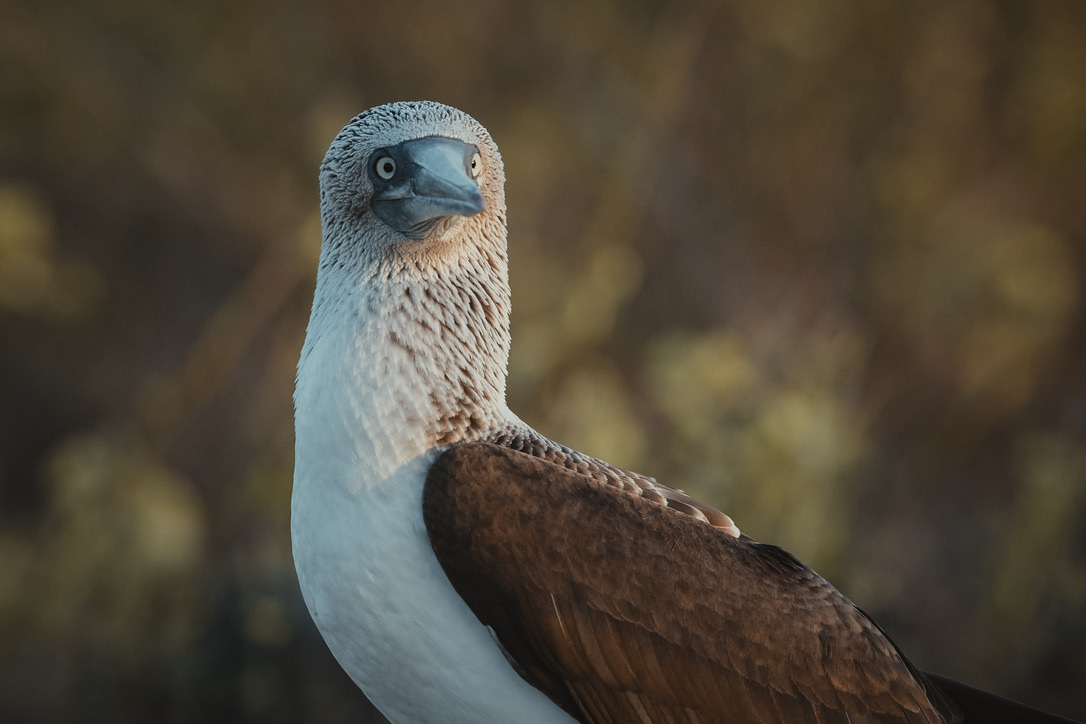
Six hundred miles off the coast of Ecuador, the Galápagos are a world apart, young volcanic islands where life arrived by wind and current and evolved into something found nowhere else. It is the rarest kind of wild: a place where the animals have never learned to fear people. A sea lion will swim up to meet you, a giant tortoise will hold your eye, a blue-footed booby will step aside and let you pass.
This is a small-ship journey through the archipelago, unhurried and led by naturalists who know these islands intimately. The days move between land and water, from lava fields and highland forests to the clear reserve where you snorkel alongside turtles and sea lions. From Quito, high in the Andes, a short flight carries you to the edge of the Pacific and a little world entirely its own.
You begin in Quito, Ecuador's Andean capital, set high in the mountains. An early arrival helps you settle into the altitude before the islands, with time to take in the old city.
A short flight carries you out to Baltra, in the heart of the Galápagos, where your naturalists meet you and the ship becomes your base for exploring a little world unto itself.
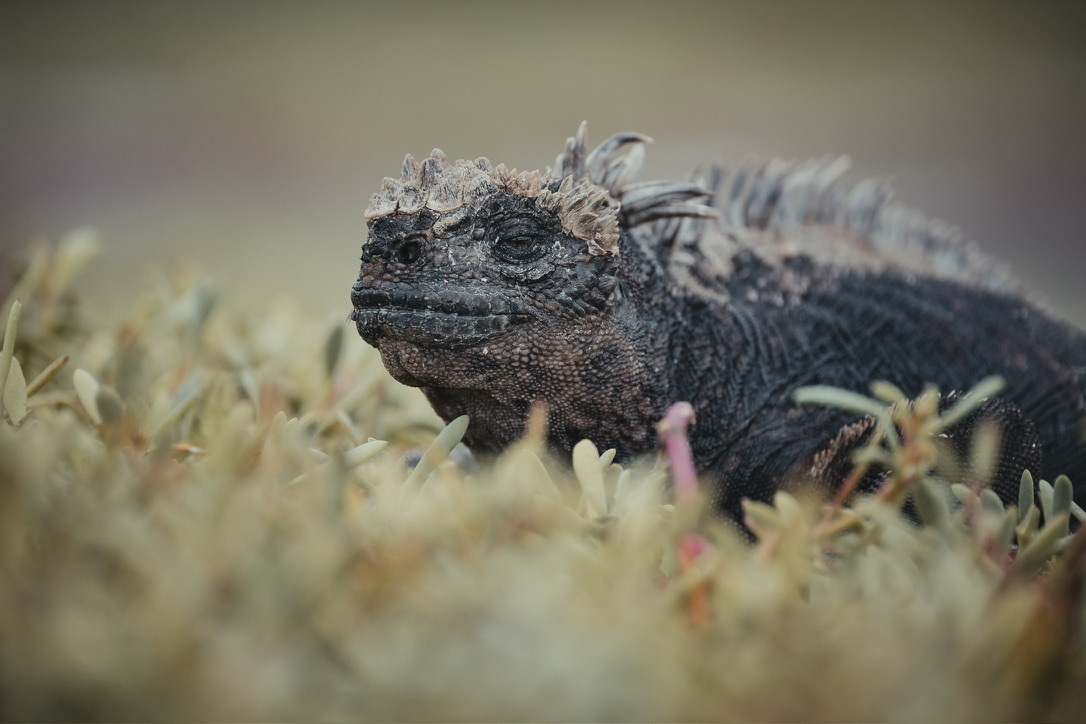
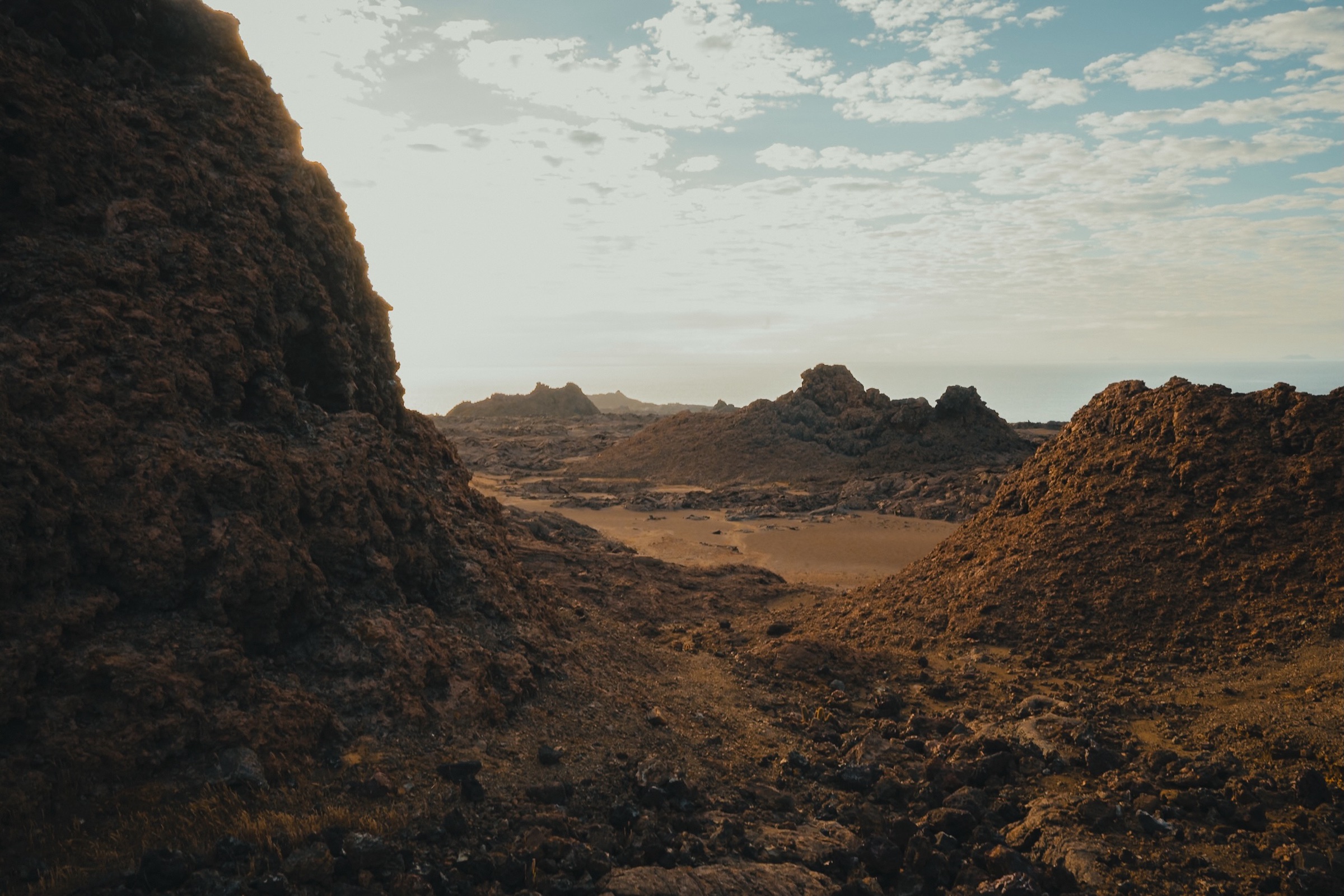
Each day brings a different island and a different cast: nesting frigatebirds and blue-footed boobies, marine iguanas along the black rock, giant tortoises in the green highlands, and the equator crossing beneath Isabela's great volcanoes. The wildlife is close, and unbothered, in a way that exists almost nowhere else.
The Galápagos is as alive below the water as above. In the protected reserve you snorkel among playful sea lions, sea turtles, penguins, and schools of bright fish, and move along the coast by Zodiac, kayak, and paddleboard.
A final morning in the islands, then the flight back to Quito and onward journeys home, or on to a quieter extension in the Andes and the market town of Otavalo.
In 1835 a young naturalist named Charles Darwin spent five weeks here, and what he saw among the tortoises, the finches, and the mockingbirds would become the theory of evolution by natural selection. Few places have shaped human understanding more, and few remain so intact.
Today the Galápagos is one of the most carefully protected places on earth, nearly all of it national park, ringed by one of the largest marine reserves in the world. The fearlessness of its wildlife is the legacy of that isolation and that protection. To visit well is to help keep it that way.
A share of every journey supports conservation and education on the ground, including The Simba Trust, our own foundation in Kenya, alongside the park and research programs that keep the Galápagos wild and its wildlife unafraid. Purpose is woven quietly through the work, not worn as a slogan.
A small group, and every journey begins with a conversation. Tell us what draws you to the Galápagos, and we will share the details.
Request an Invitation ← All Editions