A Founder Edition
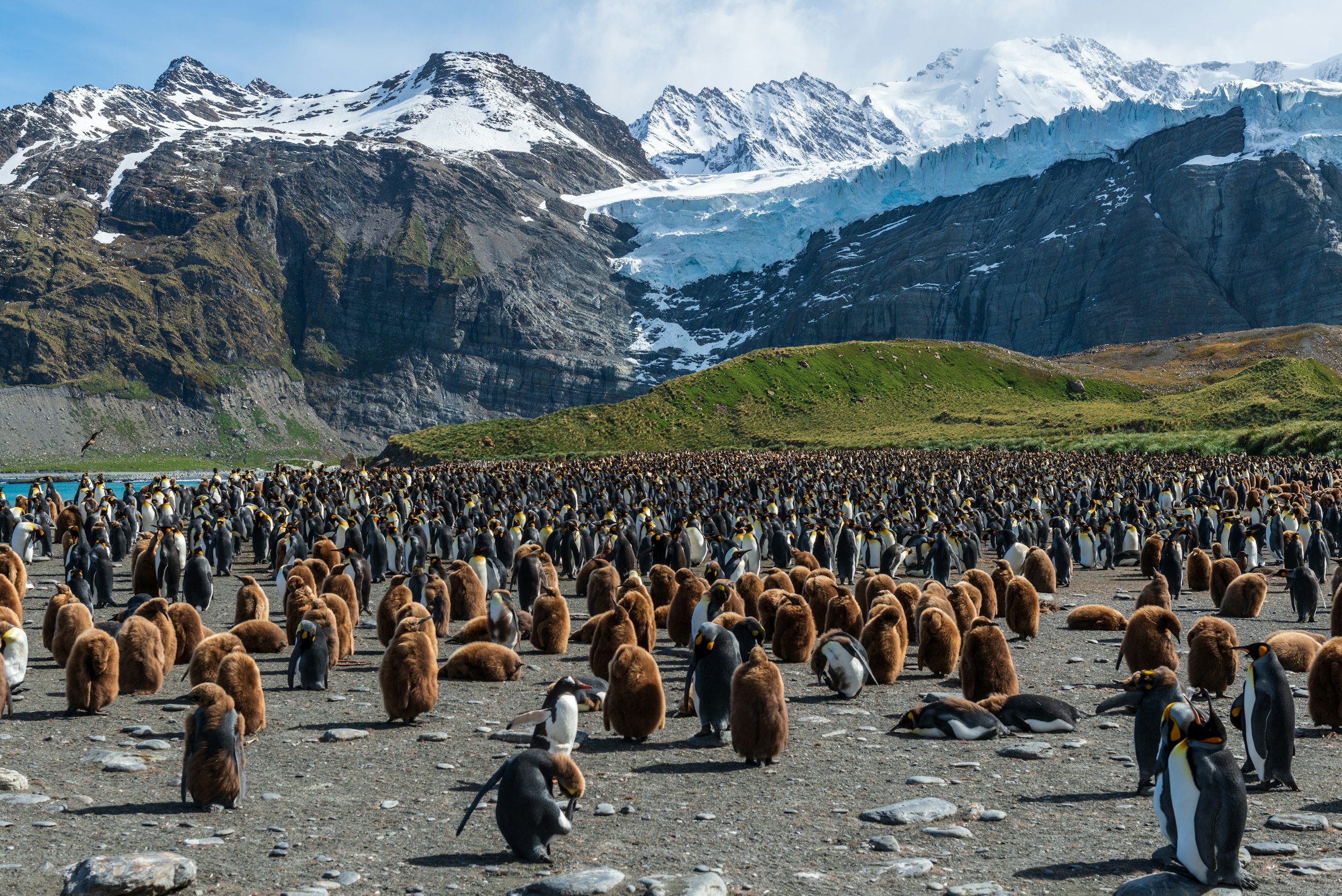
Two of the great wildlife islands on earth, on a single voyage. From Punta Arenas at the foot of Chile, we sail east to the Falkland Islands, then on across the southern ocean to South Georgia, an island of ice-covered mountains and beaches so crowded with king penguins that the shore itself seems to move.
It is a voyage of some seventeen days, timed to the southern spring, when the colonies are at their fullest and the light is long. Here wildlife is king. Elephant seals spar in the surf, wandering albatross ride the wind, and whales rise beside the ship. And at Grytviken, beneath the peaks, lies Ernest Shackleton, in the place his greatest journey ended. It is a long way to come, and every mile earns its keep.
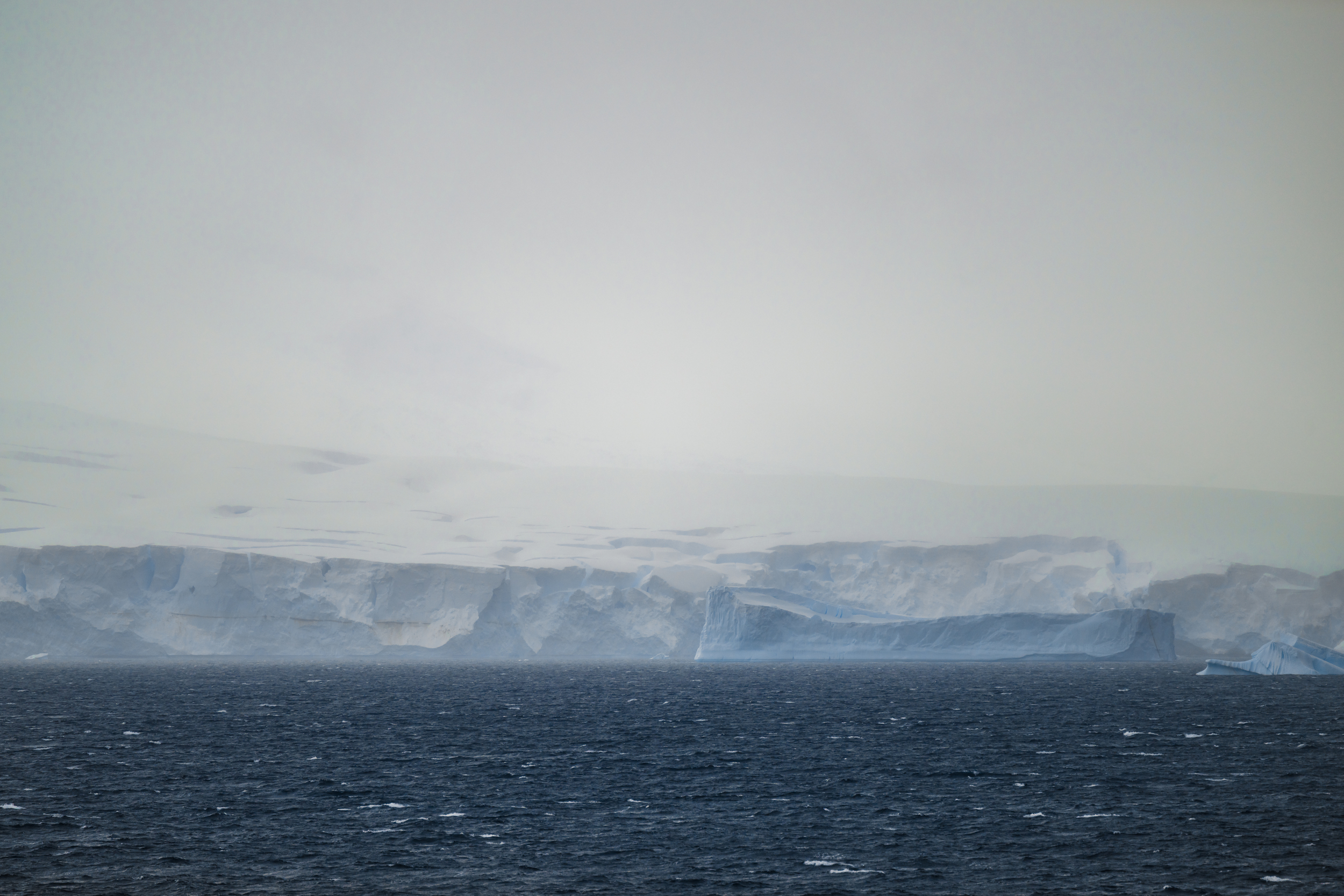
We gather in Punta Arenas, at the tip of Chilean Patagonia, and board our expedition ship. As we slip along the Strait of Magellan, the expedition team opens the story of this fabled sea route, and the voyage begins.
Across a handful of windswept islands, we land among rockhopper and gentoo penguins and the great nesting colonies of black-browed albatross. There is time for Port Stanley, for the settlements, and for the people who have made these islands home for generations.
Two days at sea carry us east. From the decks and the lounge, in the company of expert guides, we watch for albatross and petrels riding the wind, and for the whales that gather in these rich and lonely waters.
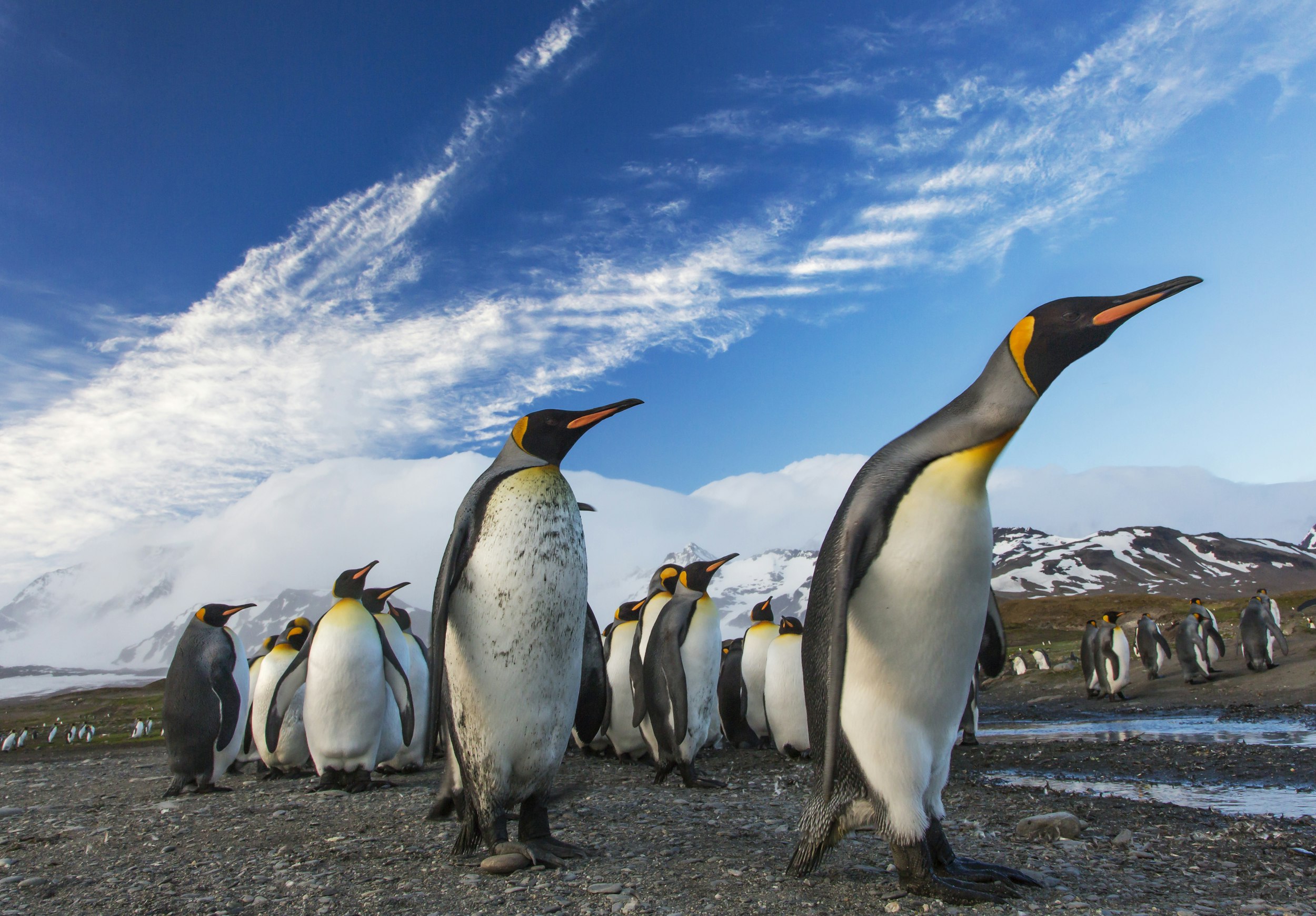
The days ashore are the reason to come. The vast king penguin colonies of St Andrews Bay and Salisbury Plain, tens of thousands strong, with elephant and fur seals along the beaches and hanging glaciers above. At Grytviken we visit the old whaling station and Shackleton's grave, and at Prion Island, the nesting wandering albatross. Every landing follows the weather and the sea.
We turn west across the ocean, the education program running to the end, before we reach Punta Arenas and the voyage draws to its close.
A century ago, South Georgia was one of the busiest whaling grounds on earth, and its shores paid the price. Today it is one of conservation's great comebacks. After the largest rodent eradication ever attempted, the island's seabirds are returning, the fur seals have recovered from near extinction, and the beaches belong once more to the penguins and the seals in numbers that stagger the eye.
To stand among a king penguin colony here, with the ice above and the sea behind, is to see what a place can become when it is given back to the wild. It is also to walk in the footsteps of the explorers, on the island where Shackleton's story came to rest.
A share of every journey supports conservation and education on the ground, including The Simba Trust, our own foundation in Kenya, alongside the organizations working to protect the southern ocean and the islands that make a voyage like this possible. Purpose is woven quietly through the work, not worn as a slogan.
A small group, and every journey begins with a conversation. Tell us what draws you to the far south, and we will share the details.
Request an Invitation ← All Editions